ServicesWall Repair
Wall Repair in Mount Vernon
We repair cracked plaster, split drywall seams, crushed corners and walls softened by leaks. Before we cut or sand anything, we check what's behind the wall and seal off the room, so the repair is sound and the dust stays where we're working.
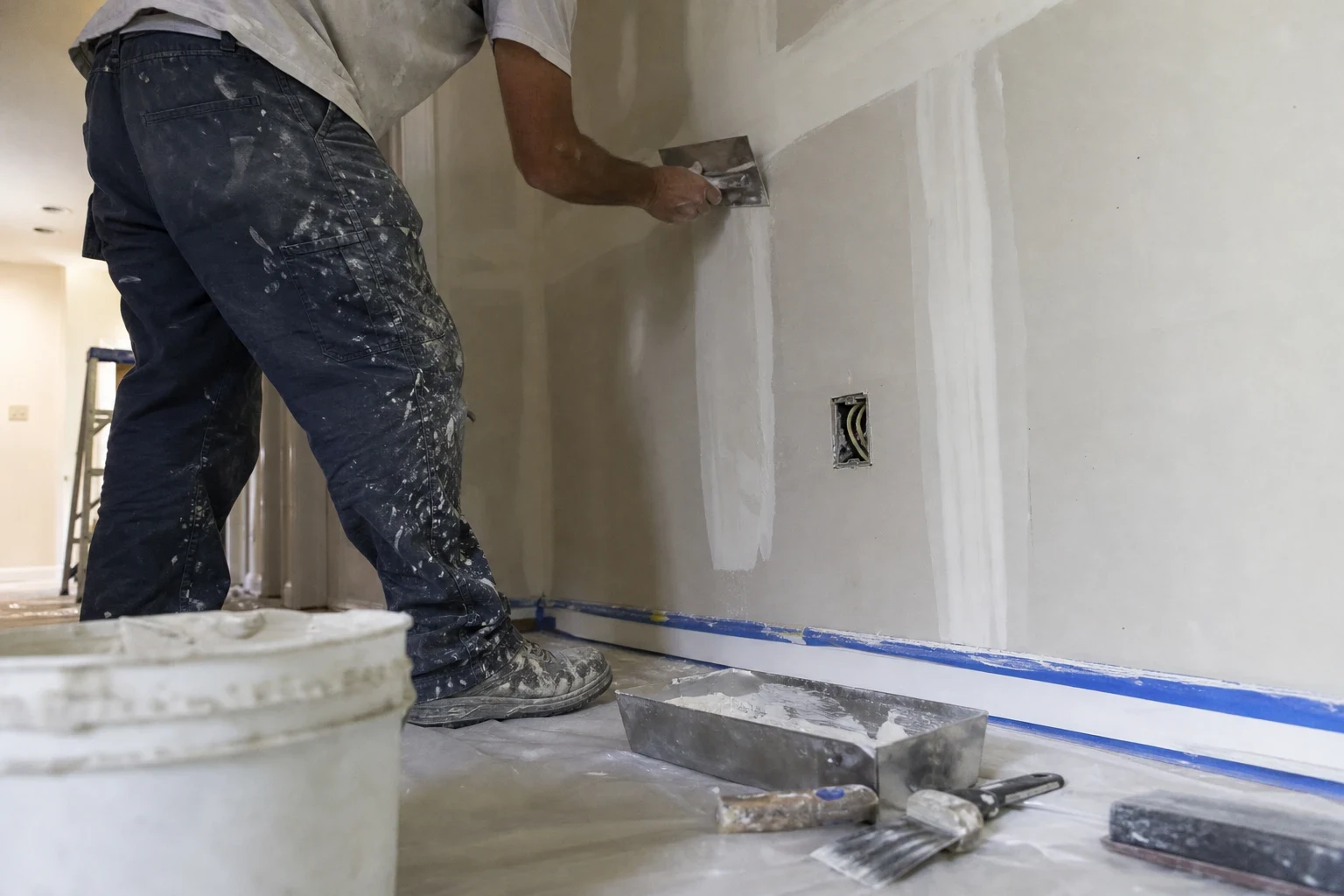
What wall repair covers
Wall repair is the broader job. A drywall patch fixes one hole in one sheet. A wall repair deals with whatever the wall is actually made of and why it failed. That could be plaster pulling away from wood lath, a seam that keeps cracking because the framing moves, or gypsum board that soaked up water and lost its strength.
Many older houses around Mount Vernon still have plaster walls, and plenty were later patched with drywall in spots. A good repair has to account for both. Plaster is harder and thicker than drywall, so a patch has to be shimmed to the right depth or it will show as a dip under raking light.
Safety shapes how we do every part of it. Opening a wall can expose old paint, wiring and fasteners. We check for those first and plan the cut, the containment and the cleanup around what we find.
What the work includes
Locating wires and pipes before cutting
We scan the cavity and cut shallow until we can see inside. A drywall saw through a live cable or a supply pipe turns a small job into a dangerous one.
Plaster reattachment and crack repair
Where plaster has let go of the lath, we pin it back with plaster washers and screws before filling. Cracks get opened slightly, taped with mesh and filled with setting compound so they don't telegraph back through.
Cutting out water-damaged board
Soft, stained or swollen gypsum gets cut back to dry, firm material. We check the studs behind it with a moisture meter so we aren't closing up a wet cavity.
Corner bead and seam repair
Dented or rusted metal corner bead is cut out and replaced, and loose tape on seams is stripped and re-run rather than buried under more mud.
Texture matching and primer
We match the surrounding wall, whether it's smooth plaster, light orange peel or a hand-troweled finish, and prime the repair so it's ready for paint. If you want the color brought back, our paint touch-ups service covers that.
Contained, clean work area
Plastic sheeting, taped doorways, covered floors and a HEPA vacuum at the end of each stage. Kids, pets and the rest of your home stay out of the dust.
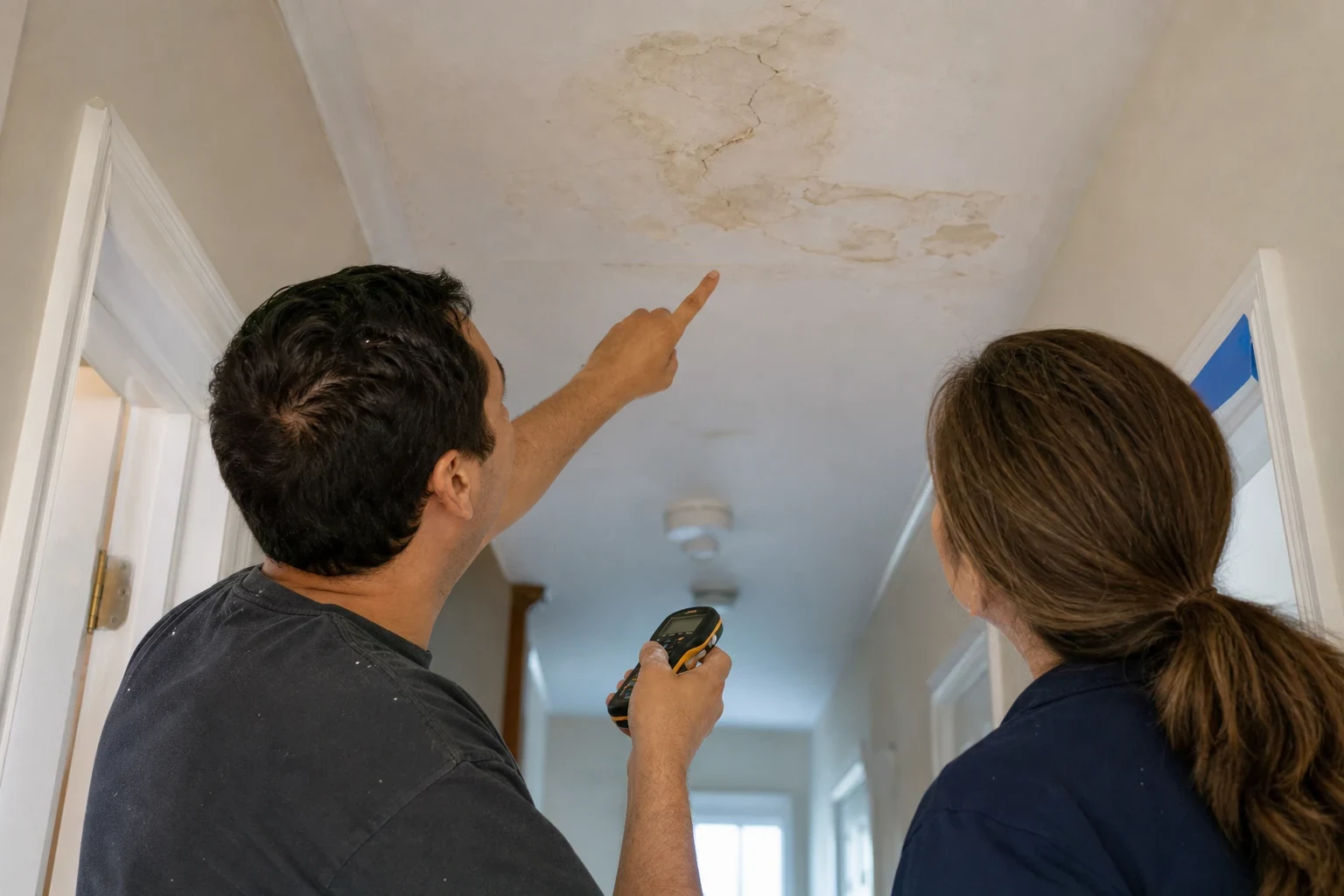
Signs a wall needs repair, not just filler
- Cracks that come back
- If you've filled the same crack twice, the cause is movement or loose plaster underneath. Filler alone can't hold it.
- Plaster that flexes when pressed
- A bulge or spongy spot means the plaster keys have broken off the lath. That section can eventually fall, so it's worth fixing before it does.
- Stains, bubbling or a musty smell
- These point to moisture inside the wall. The board may be crumbling behind the paint, and damp cavities can grow mold.
- Popped nails and bulging seams
- Rows of small bumps or a ridge along a joint usually mean fasteners have backed out or tape has lost adhesion.
- Crushed outside corners
- Furniture and doorknobs dent metal bead. Exposed sharp edges are a cut hazard at a child's height.
How a wall repair day runs
- 1
Look and diagnose
We look at the damage, ask how and when it happened and check for moisture. Then we explain what we'd repair and why, so you know the plan before work starts.
- 2
Seal the room
We lay floor protection, hang plastic over doorways and cover vents in the work area. In older homes, where paint may contain lead, this step matters most because it keeps dust from traveling.
- 3
Open, secure and rebuild
Damaged material comes out, loose plaster is anchored, and new board or base coat goes in at the correct depth. Fasteners go into framing, not just the old surface.
- 4
Tape, fill and sand
Setting compound goes on in thin coats with drying time between them. We sand with dust extraction or wet-sand where possible to keep particles out of the air.
- 5
Prime and clean up
The repair gets primed and the texture checked under a work light. We take the plastic down carefully, vacuum, and leave the room ready to use.
What affects the cost of wall repair
Two walls with the same size crack can cost very different amounts to fix. The price depends mostly on what's behind the surface and how much has to come out to reach sound material. We explain each of these on the phone and in person before any work begins.
- Plaster or drywall
- Plaster takes more steps: reattaching, building up depth and matching a harder surface. Drywall repairs usually go faster.
- Hidden damage
- Wet insulation, rotted lath or stained studs found after opening the wall add work. We show you what we find before going further.
- Size and location
- A tall stairwell wall or a spot behind built-in fixtures needs ladders, staging or extra protection, and that adds time.
- Finish and texture
- A smooth wall under strong window light needs extra coats and sanding to hide the patch. Heavy texture takes careful hand-matching.
- Containment needs
- Older paint or an occupied nursery calls for fuller sealing and slower dust control. We'd rather spend the time than spread dust through your home.
Wall repair questions
- Can you repair plaster, or will you replace it with drywall?
- Usually we repair it. If the plaster is sound apart from a crack or a loose patch, reattaching and filling keeps the wall's original strength and sound-deadening. When a large area has failed, we cut it out and fill the opening with drywall shimmed to plaster thickness.
- Is the dust from wall repair a health concern?
- Joint compound dust irritates lungs, and in houses built before 1978 the old paint may contain lead. That's why we seal the room, use extraction or wet-sanding, and vacuum with a HEPA filter. Keep children and pets out of the area until we've finished cleaning.
- My wall had a leak behind it. Can you fix it now?
- Only once the leak itself has been repaired and the cavity is dry. We check with a moisture meter before closing anything up. Sealing a wet wall traps moisture and invites mold.
- How long until I can use the room again?
- Most small and medium repairs take one to three visits because setting compound needs time between coats. Between visits the work area stays protected, and the rest of the room is usable.
- Will the repair match the rest of the wall?
- We match texture and prime the patch so it blends once painted. Paint that has aged or faded may not match fresh paint exactly. Our paint touch-ups service can bring the color back.
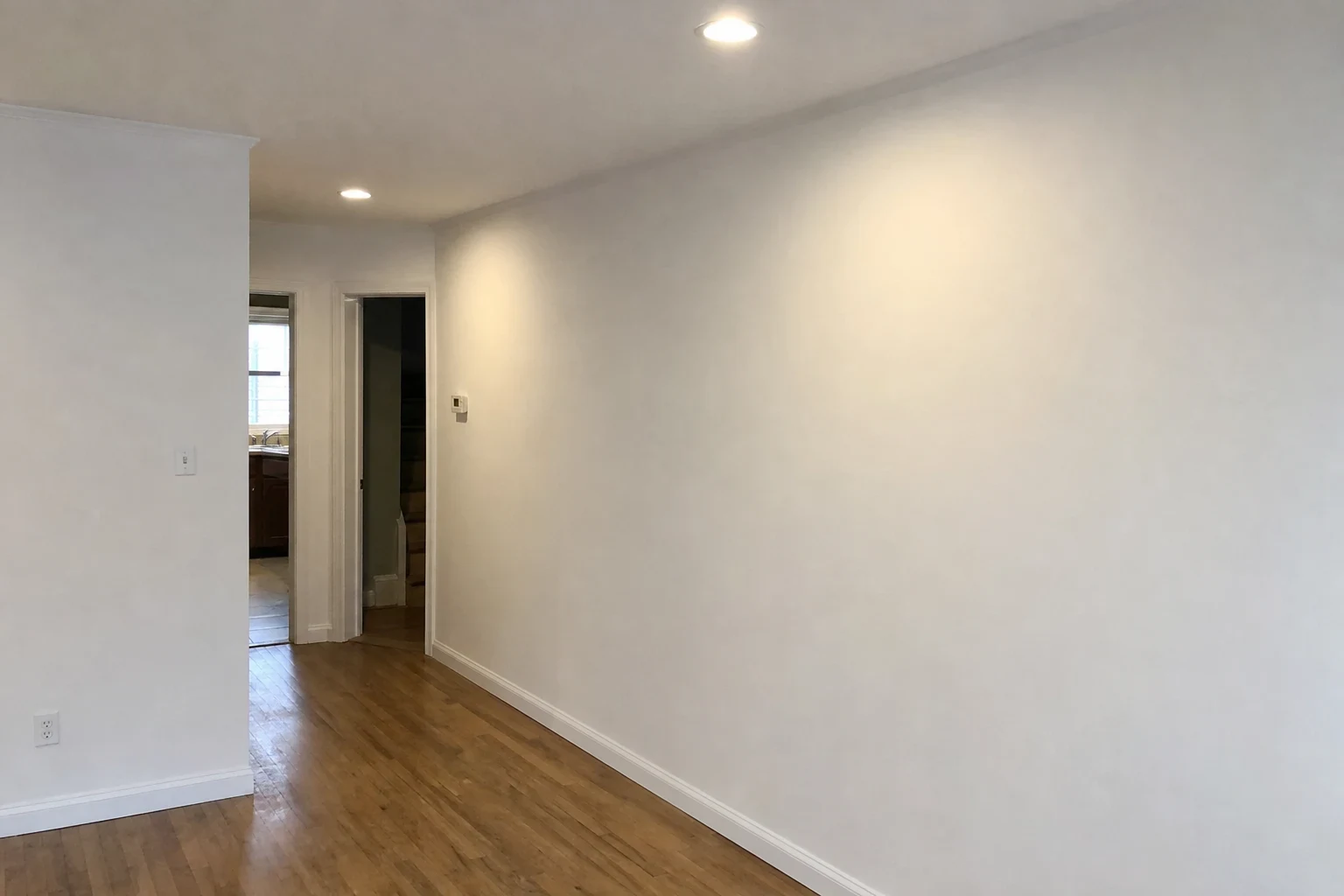
Get the wall fixed properly
Tell us what the damage looks like and where it is. We'll talk through the likely cause and what a safe repair involves before we schedule a visit.